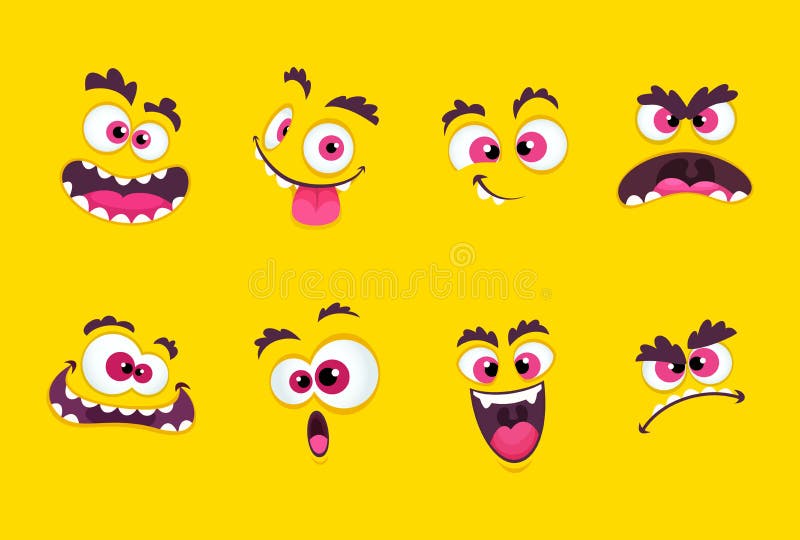

Meme culture in 2026 is less about one picture becoming famous and more about how quickly people can change, remix, personalize, and redistribute an idea.
A reaction can begin as a simple drawing, become a sticker, turn into a short video, appear as a gaming overlay, get rebuilt with an image generator, and eventually become something that looks completely different from the version that started the trend.
That constant transformation is what makes meme culture difficult to define.
There is no single “meme style” dominating the entire internet.
Instead, different communities are building their own visual language around reaction images, short videos, gaming moments, emojis, edited screenshots, AI-assisted artwork, and recognizable characters.
Troll Face is a particularly good example.
The original character came from an early internet meme culture built around simple drawings and rage comics. Today, the same basic idea can appear as a classic black-and-white face, a gaming reaction, a skull, a demon, a realistic character, a colorful emoji, or an entirely new visual interpretation.
This article looks at that change from the perspective of modern meme creation and the artwork we publish at TrollFaceDownload.
Meme Culture Is More Visual Than Ever
Older internet memes often depended heavily on a caption.
The picture created the setup, and the text delivered the joke.
Modern meme creation is often more visual.
A facial expression can communicate the reaction by itself.
A short clip can provide the entire joke.
A screenshot can become the template.
An emoji can become a character.
A familiar face can be placed into a completely different scene.
This makes recognition speed extremely important.
People scroll quickly.
The strongest reaction images are often understood before the viewer has read any explanation.
That is one reason exaggerated faces continue to work so well.
A raised eyebrow, shocked expression, huge grin, crying eyes, angry face, or exaggerated gesture can communicate a reaction almost instantly.
From Fixed Images to Reusable Visual Systems
One of the biggest changes in meme culture is that people increasingly treat images as building blocks rather than finished products.
A person does not necessarily download an image because they want to publish that exact image.
They may want to:
- add text
- combine it with another image
- place it over gameplay
- use it in a video
- turn it into a sticker
- create a thumbnail
- make a reaction post
- use it in a private community
- remix the design into something new
That means a useful meme image is often more valuable when it is easy to edit.
Transparent PNGs are particularly practical because the background can be removed from the equation.
The same character can then be placed over gameplay, a screenshot, a video frame, a colored background, or another design.
This is one reason reaction-image collections remain useful even when the original meme itself is years old.
Troll Face Shows How a Meme Can Keep Changing
Troll Face is a good example of meme longevity.
The original character became associated with trolling and the rage-comic culture of the late 2000s. Over the years, however, the visual treatment has changed dramatically.
The same basic idea can now be represented through:
- classic black-and-white artwork
- angry reactions
- gaming designs
- crying expressions
- demon and horror artwork
- skull versions
- futuristic interpretations
- colorful emoji-style designs
- realistic renders
- text-based reactions
The important point is that these are modern interpretations, not evidence that all of these styles existed in the original meme’s historical period.
That distinction matters.
Meme culture constantly creates new visual languages around older characters.
AI-Assisted Creation Has Lowered the Barrier to Experimentation
Generative AI has changed how quickly people can experiment with visual ideas.
An artist or creator can now explore multiple concepts without producing each variation entirely from scratch.
That does not mean every generated image is automatically useful.
A generated image still needs a reason to exist.
Someone has to decide:
- what the concept should be
- which result is worth keeping
- whether the expression actually works
- whether the composition is usable
- whether the image needs editing
- what dimensions it should have
- how it should be categorized
- how it should be presented to visitors
Google’s current guidance does not treat AI-generated content as automatically bad. The emphasis is on accuracy, originality, relevance, usefulness, and whether the content was created to genuinely help people rather than to manipulate search rankings. Google also recommends giving readers context about how AI was used when that information would reasonably be useful.
That distinction is important for modern meme websites.
The interesting question is not simply:
“Was AI involved?”
The better question is:
“Did the creator turn that technology into something useful, distinctive, and worth using?”
How We Use AI-Assisted Image Creation at TrollFaceDownload
The artwork published on TrollFaceDownload is created for the site using generative AI-assisted workflows.
The process is more than producing an image and immediately uploading the output.
We develop concepts, generate variations, select suitable results, prepare the files, organize the artwork into categories, create descriptions and metadata, and publish the designs for people who want to use them as reaction graphics or creative assets.
Our collection includes many different visual directions, including troll faces, skull reactions, angry faces, emotional expressions, gaming designs, demon artwork, and blue emoji-style reactions. The site’s media library currently contains a substantial collection of these original site-published assets.
That workflow is part of the value of the collection.
The goal is not to create thousands of nearly identical images simply because an image generator makes that possible.
The goal is to produce artwork that someone can actually use.
The Rise of Highly Customized Reactions
Generic “happy,” “sad,” or “angry” graphics are no longer enough for many meme creators.
People increasingly want a reaction that fits a particular situation.
That is why you see so many highly specific variations:
Gaming anger
A headset, controller, rage expression, and short phrase can instantly identify the context.
Embarrassment
A worried expression or exaggerated face can communicate failure without requiring a long caption.
Sarcasm
Sunglasses, a smug grin, or a deliberately overconfident pose can turn an ordinary reaction into a joke.
Horror
Red eyes, horns, skulls, sharp teeth, and dark backgrounds can transform a familiar character into something deliberately unsettling.
Celebration
Party hats, confetti, gestures, and excited expressions provide a completely different reaction.
The visual design becomes more specific because the intended use becomes more specific.
Gaming Continues to Be a Natural Home for Reaction Memes
Gaming and meme culture fit together because games generate constant moments of success, failure, surprise, frustration, and absurdity.
A single screenshot can become a meme.
A few seconds of gameplay can become a reaction clip.
A character expression can become an overlay.
A rage moment can become a caption.
This creates a natural demand for visual reactions that can be placed on top of gaming content.
That is also why TrollFaceDownload includes gaming-oriented designs alongside the broader collection.
For example, the collection contains EZ PZ Gamer, Rage Quit, and other gaming-focused troll-style artwork.
The purpose of these images is not to document a particular game’s history.
It is to give creators visual material that fits the emotional language of gaming.
Meme Culture Is Becoming More Participatory
Modern meme culture is not simply about watching what somebody else created.
People expect to participate.
They want to:
- edit
- remix
- caption
- crop
- combine
- animate
- react
- repost
- transform
That is why tools can be just as important as image collections.
A site that only displays pictures gives visitors something to look at.
A site that provides pictures and tools gives visitors something to do.
That is why browser-based projects such as our meme tools, random emoji tools, text generators, and games fit naturally beside the image collection.
Short-Form Video Changed the Role of Meme Images
A meme image does not necessarily need to be the final piece of content.
It may become one frame inside a video.
A creator can use a Troll Face image for:
- a reaction cutaway
- an exaggerated punchline
- a gaming fail
- a transition
- a thumbnail
- a visual response
- an edited short
This changes what people look for in downloadable artwork.
A transparent image with a strong silhouette can be more useful than a complicated illustration because it can be dropped into another composition quickly.
That is why transparent PNGs remain practical even in a video-first environment.
AI Is Also Changing the Look of Old Memes
One of the most interesting effects of generative image technology is that old meme characters can be rebuilt in entirely different styles.
A simple cartoon can become:
- realistic
- cinematic
- 3D
- cybernetic
- surreal
- photographic
- painterly
- horror-inspired
This does not erase the original version.
Instead, it creates another layer.
The old image becomes a reference.
The new artwork becomes a reinterpretation.
Recent meme activity around realistic Troll Face imagery provides a good example of this pattern: a historically simple cartoon character can be rebuilt using modern image-generation techniques and acquire a new visual life.
Why Original Artwork Matters More in a Remix Culture
When everyone can remix something, simply reposting someone else’s image offers less value.
A site can stand out by contributing something of its own.
That can be:
- original artwork
- original tools
- original research
- a useful collection
- better organization
- better metadata
- a unique perspective
- clear licensing information
- a better user experience
This is particularly important for a site such as TrollFaceDownload.
The strongest reason for someone to visit should not be:
“This website copied an image I saw somewhere else.”
It should be:
“This website has a collection of useful artwork and tools that I can actually use.”
That distinction also aligns with Google’s current people-first guidance, which favors original information, first-hand perspective, substantial value, and content that is more than a rewritten version of what already exists elsewhere.
Free to Download Does Not Mean “Copyright-Free”
This is one of the most important things to understand when working with meme artwork in 2026.
An image being available for free download does not automatically mean that every possible use is unrestricted.
These are different concepts:
Free download
You do not have to pay to obtain the file.
Free to use under a stated license
The creator has granted specific permissions.
Public domain
The work is not protected by copyright, subject to the applicable legal rules.
Copyright-free
This phrase is often used loosely online and can be misleading.
TrollFaceDownload therefore should not describe its entire collection simply as “copyright-free.”
Instead, visitors should check the usage information associated with the artwork and understand that recognizable characters, trademarks, or third-party elements may involve rights belonging to other parties.
The U.S. Copyright Office’s current guidance on generative AI also makes an important distinction: AI output can be copyrightable when sufficient human authorship determines the expressive elements, while merely entering prompts does not by itself establish human authorship.
Copyright questions can also differ by country and by the specific facts of a particular work.
For that reason, “free download” should never be treated as a blanket commercial-use guarantee.
How to Create Your Own Meme Responsibly
You do not need expensive software to make a good meme.
A simple workflow is often enough.
1. Start with a strong reaction
Choose an expression that matches the joke.
A confused face works differently from an angry face.
A smug reaction works differently from a shocked reaction.
The image should already communicate something before the viewer reads the caption.
2. Add context
A short caption can turn a generic reaction into a specific joke.
Avoid writing a paragraph over the image.
The strongest meme text is usually easy to read quickly.
3. Keep the visual hierarchy simple
The viewer should know what to look at immediately.
One dominant face and one short phrase will often be more effective than a crowded design.
4. Use artwork whose rights you understand
Do not assume that an image found through a search engine is available for unrestricted reuse.
Check the actual license or permission.
This is especially important for commercial projects.
5. Make something rather than simply reposting
Even a small change in concept, composition, caption, or presentation can make the result more personal and useful.
What Makes a Good Reaction Image in 2026?
A useful reaction image generally has several characteristics.
It reads quickly
The expression should be understandable at a small size.
It has a clear emotion
The viewer should not have to guess whether the character is angry, amused, confused, shocked, or sad.
It works without a background
Transparent artwork is particularly flexible.
It can be edited
Creators often want to add text or place the character somewhere else.
It has a recognizable silhouette
A strong silhouette helps an image survive small sizes and fast-moving feeds.
It has a reason to exist
A new image should provide a useful reaction, joke, style, or context rather than being another almost-identical copy of an existing design.
Meme Collections Are Becoming More Like Visual Libraries
A modern meme site is increasingly closer to a visual library than a single-page “funny pictures” website.
Visitors may arrive with a specific purpose:
“I need an angry gaming reaction.”
or:
“I need a transparent skull face.”
or:
“I need a sarcastic expression for a thumbnail.”
or:
“I need a weird reaction image.”
That changes how collections should be organized.
Good categories are not merely SEO keywords.
They are navigation systems.
At TrollFaceDownload, this means separating designs by useful concepts such as:
- classic
- angry
- scary
- sad
- gaming
- skull
- demon
- funny
- colorful
- emoji-style
The more accurately a visitor can describe what they need, the faster they should be able to find the right artwork.
What We Are Seeing in Our Own Collection
There is a useful distinction between reporting an internet-wide trend and observing what is happening inside one website’s own collection.
We cannot claim that every design in our media library represents a worldwide meme trend.
What we can say is what we are actually creating and organizing.
Our collection includes a noticeable range of:
- blue emoji-style expressions
- exaggerated emotional reactions
- skull and horror artwork
- gaming reactions
- devil and demon variations
- colorful troll faces
- text-based reaction graphics
- futuristic and sci-fi treatments
That diversity shows something important about contemporary meme creation:
the visual vocabulary around a familiar reaction keeps expanding.
A single character can act as the starting point for many different creative directions.
What the Future of Meme Culture May Look Like
Predicting the next universal meme is almost impossible.
That has always been one of the strange things about internet culture.
A format can appear suddenly, dominate a community, mutate into dozens of versions, and disappear just as quickly.
What is easier to predict is the direction of the tools.
Creators now have increasingly accessible ways to:
- generate images
- edit video
- create custom graphics
- animate still images
- remix characters
- build interactive experiences
- personalize reactions
As those tools become easier to use, the distinction between meme viewer and meme creator becomes less important.
More people can participate.
And that means meme culture will likely continue becoming more customized.
The Most Interesting Change Is Not AI
AI gets a lot of attention because it is new and visually impressive.
But the deeper change is something else:
people have more control over the entire creation process.
A person can find an idea, generate an image, edit it, add a caption, turn it into a video, publish it, and receive reactions without needing a traditional design pipeline.
That changes the speed of experimentation.
A meme no longer has to pass through a long production process before someone can test an idea.
The experiment can happen immediately.
That is likely to matter more in the long term than any particular image-generation model.
Where Troll Face Fits Into This
Troll Face survives because it is adaptable.
The original drawing came from a very different internet.
Today’s creators can use the same basic visual idea in completely different ways.
A troll-style reaction can be:
- a joke
- a gaming reaction
- a sarcastic response
- a horror character
- a skull
- an emoji
- a realistic render
- a thumbnail
- a sticker
- a video overlay
The character’s ability to change is more important than keeping one exact visual style unchanged.
That is the same quality that allows many older meme formats to keep returning in new forms.
Explore the TrollFaceDownload Collection
The collection on TrollFaceDownload is built around that idea: take recognizable reaction concepts and explore them through different visual styles.
You can browse the artwork by theme and reaction, or use the site’s interactive tools to create and experiment with your own meme content.
Troll Face Collection
Browse classic and modern troll-style reaction artwork:
Play
Explore the site’s browser-based games and tools:
Whack-a-Troll
Play the browser game directly:
Scary Text Generator
Create distorted text for memes, profiles, posts, and creative projects:
Final Thought
Meme culture in 2026 is not defined by one image.
It is defined by reuse, reaction, adaptation, and participation.
A drawing can become a template.
A template can become a video.
A character can become an emoji.
An old meme can be rebuilt with modern image-generation technology.
And a simple expression can continue to communicate an idea years after the original context has changed.
Troll Face is a good example of that process.
The original drawing belongs to the history of early internet meme culture.
The modern versions belong to a different stage: a world where creators have more tools, more formats, and more ways to transform familiar visual ideas.
That is what makes meme culture interesting in 2026.
The image changes.
The reaction remains.