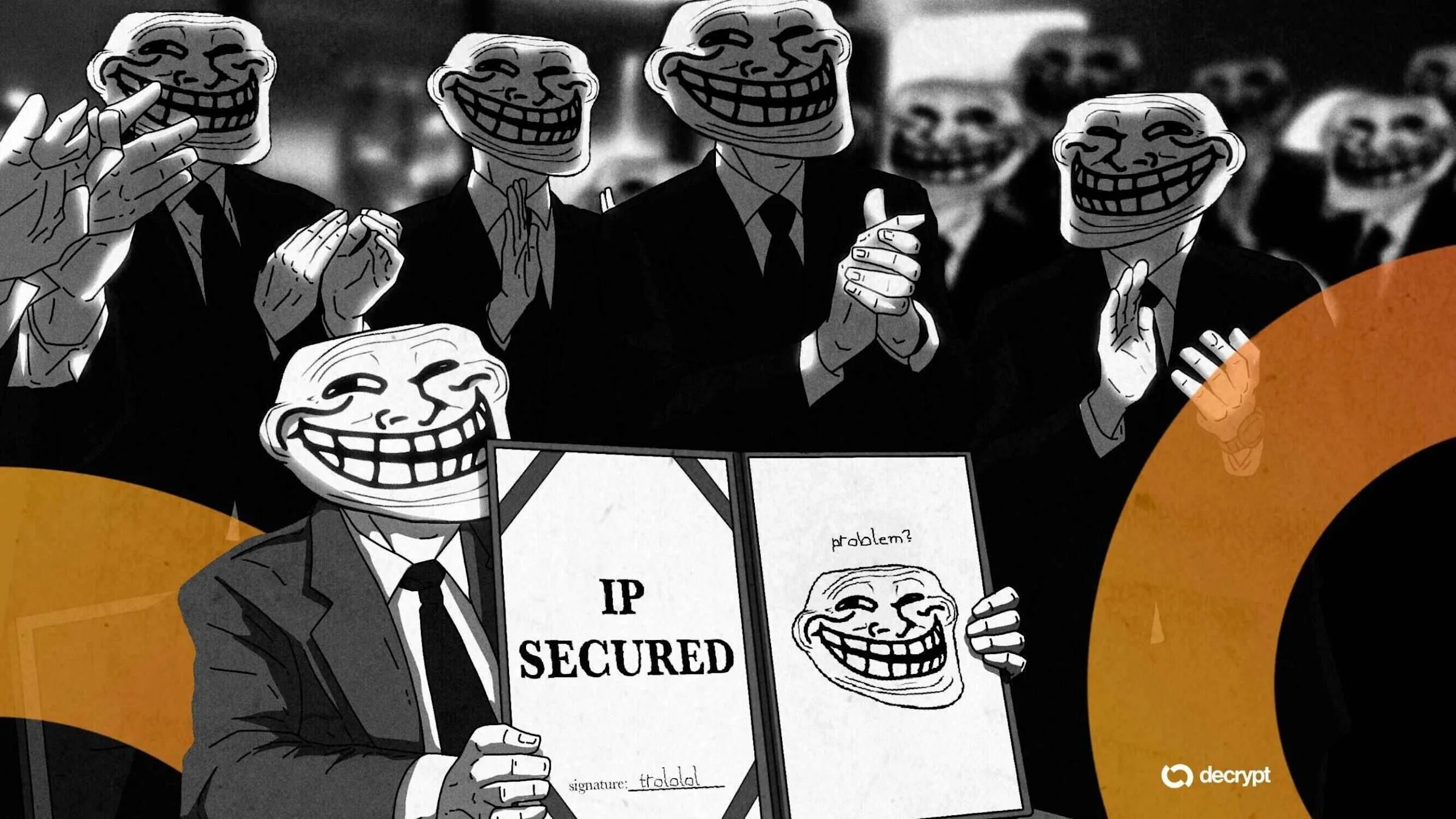

Troll Face does not have to look the same every time.
A familiar grin can become angry, shocked, sad, creepy, devilish, gaming-focused, skull-themed, colorful, or completely exaggerated. That flexibility is what makes troll-style reaction artwork useful: the expression can change depending on the joke, mood, conversation, game, or image you are creating.
This guide is a visual index of the TrollFaceDownload collection. Instead of treating every image as the same “Troll Face,” we organize the artwork by its expression, visual treatment, and intended use.
The artwork shown in this guide is created for TrollFaceDownload using generative AI-assisted workflows. The designs are selected, prepared, categorized, and published as part of our own image collection.
What counts as a Troll Face variation?
A variation does not necessarily need to be a completely new character.
A small visual change can create a very different reaction.
For example, changing the eyes can turn a mischievous expression into an angry one. Adding tears changes the meaning again. Horns can create a demonic version, while a gaming headset changes the context without changing the basic troll-style expression.
For this collection, we look at variations through several practical features:
- Expression — laughing, angry, shocked, sad, smug, confused, worried, or mischievous
- Accessories — glasses, hats, horns, headsets, mustaches, or other props
- Theme — gaming, horror, fantasy, comedy, sci-fi, or reaction
- Color treatment — classic black and white, bright colors, blue emoji-style designs, gradients, or darker palettes
- Character treatment — troll face, skull, demon, emoji, cartoon, or hybrid designs
- Purpose — reaction image, meme graphic, social post, thumbnail, edit, or creative project
That means two images can belong to the same broad Troll Face family while communicating completely different emotions.
1. Classic Troll Face Variations
The classic style is the starting point for many of the designs in the collection.
These versions keep the recognizable mischievous expression while changing small details such as background, color treatment, facial exaggeration, or surrounding artwork.
Classic Troll Face
The straightforward version works when you need a familiar troll-style reaction without adding a specific emotion or theme.
It is useful for:
- meme reactions
- jokes
- sarcastic posts
- thumbnails
- image edits
- general reaction graphics
Our collection also includes darker treatments of the classic face, including versions presented against dark backgrounds.
Colorful Troll Face
Color can completely change the feel of the same expression.
Gradient and multicolor versions work better when a plain black-and-white graphic feels too simple for the design you are making.
The collection includes colorful gradient treatments using combinations of bright blues, pinks, greens, and yellows.
Troll Face With Accessories
Accessories give the expression a specific personality.
Examples in the collection include:
- sunglasses
- mustaches
- glasses
- hats
- themed props
- exaggerated facial elements
These are especially useful when the goal is comedy rather than a serious reaction.
2. Angry and Rage Troll Face Variations
Angry Troll Face designs are built around intensity.
Instead of the relaxed mischievous grin of a classic version, these designs use clenched teeth, narrowed eyes, horns, aggressive gestures, strong colors, and exaggerated expressions.
The collection includes several styles of angry and rage-oriented artwork.
Rage Quit Troll Face
The gaming version combines Troll Face styling with the familiar idea of losing patience during a game.
A headset, controller-related theme, exaggerated expression, or rage-oriented wording can shift the image from a general meme into a gaming reaction.
Mad Troll Face
The Mad Troll Face design focuses directly on anger.
It is useful when the reaction needs to communicate:
“That did not go as planned.”
or
“I am seriously annoyed.”
FAAAA Troll Face
This variation takes the exaggerated rage reaction even further.
The design uses a dramatic expression and large visual elements to make the reaction immediately understandable even before someone reads accompanying text.
Devil and Rage Hybrids
Some angry designs add horns, darker colors, glowing eyes, or other aggressive visual elements.
These should be thought of as themed variations, rather than separate historical versions of Troll Face.
3. Shocked and Screaming Troll Face Variations
Not every reaction needs to look angry.
A shocked Troll Face communicates surprise, disbelief, confusion, or an unexpected result.
These designs commonly use:
- wide eyes
- open mouths
- raised eyebrows
- exaggerated hands or gestures
- stretched facial features
Shocked Troll Face
A general-purpose surprised reaction.
Useful for:
- unexpected gaming moments
- surprising messages
- reaction posts
- funny mistakes
- “what just happened?” situations
Screaming Troll Face
This takes the shocked expression to a higher level.
The purpose is less subtle. The image is designed to look immediately dramatic and over-the-top.
4. Laughing Troll Face Variations
Laughing versions are useful when the image needs to communicate amusement rather than simply trolling.
The collection includes designs with:
- open mouths
- visible teeth
- tears of laughter
- exaggerated smiles
- playful facial expressions
These work naturally as reaction images because the expression communicates the response without requiring a long caption.
A laughing variation can be useful for:
- funny comments
- memes
- chat reactions
- social posts
- gaming reactions
- joke images
5. Sad and Emotional Troll Face Variations
Troll Face does not always need to look confident or mischievous.
Changing the eyes, mouth, color, and posture can turn the character into an emotional reaction.
Our collection includes sad, crying, distressed, and worried artwork.
Crying Troll Face
A crying version can be used when the joke depends on failure, disappointment, loss, or exaggerated sadness.
These designs often use:
- tears
- lowered or tense eyebrows
- red or tired eyes
- downturned expressions
Worried Troll Face
Worried reactions are different from sadness.
The expression can suggest:
- uncertainty
- nervousness
- concern
- “this is going badly”
- waiting for something unexpected
This makes worried designs useful for conversations where the reaction is more anxious than emotional.
Emotional Blue Reactions
The collection also includes blue emoji-style artwork with crying, worried, confused, laughing, and other expressions.
These are related to the same reaction-image purpose but use a different visual language from the traditional Troll Face design.
6. Devil and Demon Troll Face Variations
Adding horns and darker visual elements creates a more aggressive or mischievous version of the familiar expression.
The collection includes several devil-themed designs with combinations of:
- horns
- glowing eyes
- dark colors
- sharp teeth
- exaggerated expressions
- fantasy-inspired details
Devil Horns
The simplest approach is to keep the facial expression recognizable while adding horns.
This produces a variation that still feels like a reaction image but has more personality.
Red-Eye Demon Designs
Glowing red eyes and darker facial treatments push the design toward horror and fantasy.
These are particularly suitable for:
- Halloween graphics
- horror memes
- gaming artwork
- dark reaction posts
- themed image edits
Purple and Glitch Demon Styles
Some designs go beyond the traditional red-and-black demon look.
Purple colors, glitch effects, laser-style eyes, and exaggerated teeth create a more modern digital aesthetic.
These are best understood as creative visual interpretations of the Troll Face idea rather than traditional historical meme variants.
7. Skull Troll Face Variations
One of the largest visual directions in the collection is the combination of troll-style expressions with skull artwork.
This creates a very different appearance while keeping the exaggerated reaction quality that makes meme faces useful.
The skull collection includes:
- classic skull faces
- shocked skulls
- laughing skulls
- crying skulls
- demon skulls
- red-eye skulls
- pirate-themed skulls
- cyborg skulls
- laser-eye skulls
- horror-inspired skull artwork
Why Skull Designs Work
A skull gives the expression a darker visual identity.
The same emotional idea can therefore be represented in several ways.
For example:
Classic reaction → skull reaction
Angry reaction → demon skull
Sci-fi reaction → cyborg skull
Extreme reaction → exploding skull
That makes skull designs useful when a normal cartoon expression is not visually strong enough.
8. Gaming Troll Face Variations
Gaming has its own category because the context changes the meaning of the image.
A gaming Troll Face may include:
- headsets
- controllers
- rage expressions
- gaming phrases
- exaggerated frustration
- victory reactions
EZ PZ Gamer Troll Face
This design combines a Troll Face-style reaction with recognizable gaming imagery and text.
It works for:
- gaming memes
- streamer reactions
- game clips
- thumbnails
- Discord communities
- gaming posts
Rage Quit Troll Face
The rage-quit design focuses on frustration after a bad result.
It can work particularly well beside gameplay screenshots, clips, or captions about difficult matches.
These designs are not intended to document the history of gaming memes. They are part of the site’s contemporary reaction-art collection.
9. Troll Face With Text
Text changes the purpose of a reaction image.
Instead of asking the viewer to interpret an expression alone, the text provides the punchline or attitude.
The collection contains designs using phrases such as:
- COOL STORY BRO
- MONEY TALKS
- RAGE QUIT
- EZ PZ
- FAAAA
- I DISAGREE
Text-based designs can be especially useful for social media posts because the intended reaction is visible directly inside the artwork.
The key is to treat these as reaction graphics, not as a replacement for written captions.
10. Sunglasses, Mustaches and Character Accessories
Accessories can turn a familiar expression into a recognizable personality.
For example:
Mustache + Glasses
The classic expression becomes more playful and character-driven.
Sunglasses
Sunglasses can make a design feel confident, sarcastic, smug, or intentionally ridiculous depending on the rest of the artwork.
Hats and Props
A prop can give the same basic facial expression a new context.
This is one reason the collection contains many variations that look related without being duplicates.
11. Blue Emoji-Style Troll Reactions
Another major visual group on TrollFaceDownload is the collection of blue reaction artwork.
These images use a more emoji-like design language while focusing on exaggerated facial expressions and gestures.
The collection includes blue reactions such as:
- angry
- happy
- laughing
- crying
- confused
- worried
- dizzy
- sly
- flirty
- shocked
- thumbs up
- thumbs down
- starry eyes
- sunglasses
- party reactions
Some designs also use hand gestures and props to make the reaction easier to understand.
Why are these included in a Troll Face collection?
They serve the same practical purpose:
you want a visual reaction that communicates an emotion immediately.
They are therefore part of the broader reaction-art ecosystem of the site, even when they do not reproduce the traditional Troll Face drawing.
12. Sci-Fi and Glitch Troll Face Variations
Some of the artwork moves away from the traditional cartoon appearance and into digital or futuristic styles.
Examples include:
- glowing eyes
- cyborg skulls
- laser effects
- glitch treatments
- cyber-themed colors
- robotic features
These designs can work well in:
- gaming graphics
- technology-themed memes
- futuristic edits
- dark wallpapers
- video thumbnails
They are intentionally contemporary interpretations rather than attempts to recreate one historical Troll Face image.
13. Horror and Scary Troll Face Variations
Horror artwork changes the emotional effect of a meme face almost completely.
Scary designs in the collection use combinations of:
- skulls
- dark backgrounds
- sharp teeth
- glowing eyes
- cracks
- horns
- exaggerated expressions
- unsettling color combinations
The result can be humorous horror rather than straightforward horror.
That makes these images useful for Halloween posts, horror-themed memes, gaming content, and deliberately strange reaction graphics.
14. Pirate, Money and Other Character Themes
Not every variation has to be based on emotion.
Some designs are built around a character concept.
Examples include:
Pirate Troll Face
A pirate-themed reaction can use props and costume details to create a comic character rather than simply changing the expression.
Money Troll Face
The “Money Talks” design uses wealth-related imagery to give the reaction a specific joke or attitude.
Cool Story Bro
This type of design combines an expression with a recognizable phrase so the image can function almost like a ready-made response.
These variations are especially useful when the image itself needs to carry the joke.
15. Variations Based on Mood
Another way to browse the collection is by the reaction you need.
Need to look angry?
Try:
- Mad Troll Face
- Rage Quit Troll Face
- Devil Troll Face
- Red-Eye Troll Face
- Fiery Punch reactions
Need to look shocked?
Try:
- Shocked Troll Face
- Screaming Troll Face
- shocked skull designs
- surprised blue reactions
Need something funny?
Try:
- Laughing Troll Face
- Cool Story Bro
- Mustache Glasses Troll
- Silly blue reactions
- playful skull designs
Need something dark?
Try:
- Demon Troll Face
- skull reactions
- red-eye designs
- glitch artwork
- horror-inspired faces
Need something emotional?
Try:
- crying troll faces
- sad skulls
- worried blue reactions
- distressed expressions
This mood-based approach is useful when you already know the reaction you want but do not know the name of a particular variation.
16. How We Create the Artwork in This Collection
The artwork published on TrollFaceDownload is created for the site using generative AI-assisted image generation.
The process is not simply “generate an image and publish everything.”
We create concepts, generate possible designs, choose the versions that fit the collection, prepare the files, remove or adjust backgrounds when necessary, create appropriate dimensions, name the files, organize them into categories, and publish the artwork for visitors to preview and download.
That process is important because the value of the collection is not only the raw generated output.
It is the selection, organization, presentation, and usability of the finished graphics.
The site currently includes a mixture of troll faces, skull artwork, rage-style reactions, emotional designs, gaming graphics, and blue emoji-style reactions.
17. Original Artwork vs. Historical Troll Face
There is an important distinction between the original Troll Face meme and the artwork available on this website.
This guide is primarily about the visual variations in our collection.
It is not claiming that every variation shown here is an established historical meme category or an officially named Troll Face variant.
Some designs are contemporary interpretations created for the site.
Some combine Troll Face-inspired facial features with other themes such as:
- skulls
- demons
- gaming
- emojis
- sci-fi
- horror
- accessories
- text reactions
For the historical origin and development of the Troll Face meme itself, see our dedicated history article.
History:
https://trollfacedownload.com/what-is-a-troll-face-meme-the-complete-history/
Keeping the two subjects separate makes it easier to understand the difference between where Troll Face came from and how the visual idea can be interpreted today.
18. How to Choose the Right Variation
You do not need to know the exact name of an image before choosing it.
Start with the reaction you want.
Sarcasm
Look for classic grins, sunglasses, mustaches, or text-based reactions.
Anger
Choose rage, devil, red-eye, or gaming-frustration designs.
Surprise
Choose wide-eyed, screaming, or shocked artwork.
Sadness
Choose crying, worried, or distressed reactions.
Horror
Choose skull, demon, dark-background, or glitch designs.
Gaming
Choose headset, controller, rage-quit, or gaming-text artwork.
Comedy
Choose laughing faces, silly expressions, accessories, and exaggerated character designs.
The best variation is usually the one that communicates the reaction without needing a paragraph to explain the joke.
19. Downloading Troll Face Variations
The collection is designed around simple browsing.
Choose a variation, open the image to preview it, and use the available download option to save the PNG.
Transparent PNG artwork can be convenient for:
- meme editing
- social media graphics
- video thumbnails
- Discord graphics
- presentation artwork
- photo editing
- personal creative projects
Before using any image in a commercial project, advertisement, merchandise, branding, or other sensitive context, check the applicable rights for that particular image and any recognizable third-party element shown in it.
A file being available for free download does not automatically mean that every possible commercial, trademark, or copyright use is unrestricted.
For rights questions or removal requests, see:
20. Where to Go Next
The easiest way to explore the collection is by reaction type.
Rage and Angry Reactions
https://trollfacedownload.com/troll-face/rage-comic-faces/
Scary Troll Faces
Browse the darker skull, demon, horror, and red-eye designs.
Sad Troll Faces
Explore crying, worried, and emotional reactions.
Play & Tools
https://trollfacedownload.com/play/
Whack-a-Troll
https://trollfacedownload.com/play/whack-a-troll/
Scary Text Generator
https://trollfacedownload.com/scary-text-generator/
Final Takeaway
There is no single correct Troll Face variation.
The same basic idea can become funny, angry, sad, scary, ridiculous, dramatic, futuristic, or completely absurd depending on the expression and visual treatment.
That is the purpose of this collection.
Instead of treating Troll Face as one fixed image, TrollFaceDownload organizes the artwork into practical visual groups so you can find a reaction that actually fits what you are trying to communicate.
Browse by expression, theme, character style, or mood, preview the artwork, and choose the variation that fits your project.